Plan Your Hike
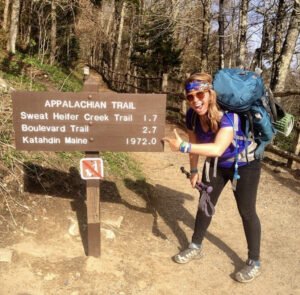
Discover the iconic 2,190-mile footpath that stretches from Georgia to Maine. Whether you’re dreaming of a thru-hike or planning a weekend adventure, the Appalachian Trail offers an unforgettable journey through America’s eastern wilderness.
Choosing Your Hike Type
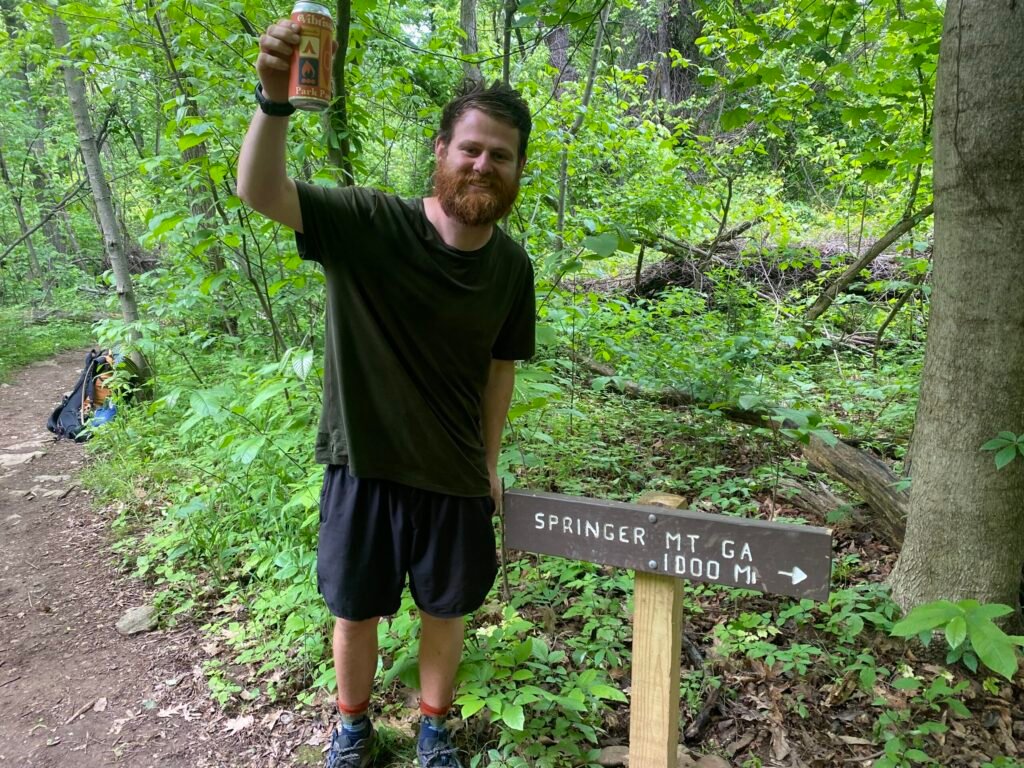
Start by deciding what kind of hike you want to do. Through-hikers attempt the entire trail in one go, usually starting in early spring and finishing in early fall. This is the ultimate AT challenge, requiring 5-7 months of sustained hiking and significant life planning. Section hikers break the trail into manageable chunks and complete it over months or years, fitting their hiking around work schedules and other commitments. Day hikers and weekend warriors tackle short portions near their homes, exploring local sections without extended time away.
Consider your available time, physical fitness level, and what you want to get out of the experience. A thru-hike offers total immersion in trail life but requires significant financial resources and time off. Section hiking gives you flexibility to experience different parts of the trail in various seasons. Weekend trips let you experience the AT without major life disruption, perfect for testing your interest before committing to longer adventures. There’s no wrong way to hike the AT—the best approach is the one that fits your life and gets you on the trail.
Essential Gear
You’ll need to invest in quality gear that can handle the trail’s demands. A solid backpack in the 50-65 liter range, reliable shelter like a tent or hammock, warm sleeping bag, and comfortable sleeping pad form your foundation. Add a water filtration system, lightweight cooking gear, and proper clothing layers. Most hikers aim to keep their base weight under 20 pounds, which means choosing gear carefully and avoiding unnecessary items.
You don’t need the most expensive equipment, but you do need gear that works reliably and won’t fall apart halfway through your hike. Research what experienced AT hikers recommend and prioritize durability over bells and whistles. Test everything before you hit the trail. Set up your shelter, cook meals with your stove, and break in your boots for at least two months. The time you spend testing gear at home will save you pain and potentially dangerous situations on the trail.

Physical and Mental Preparation
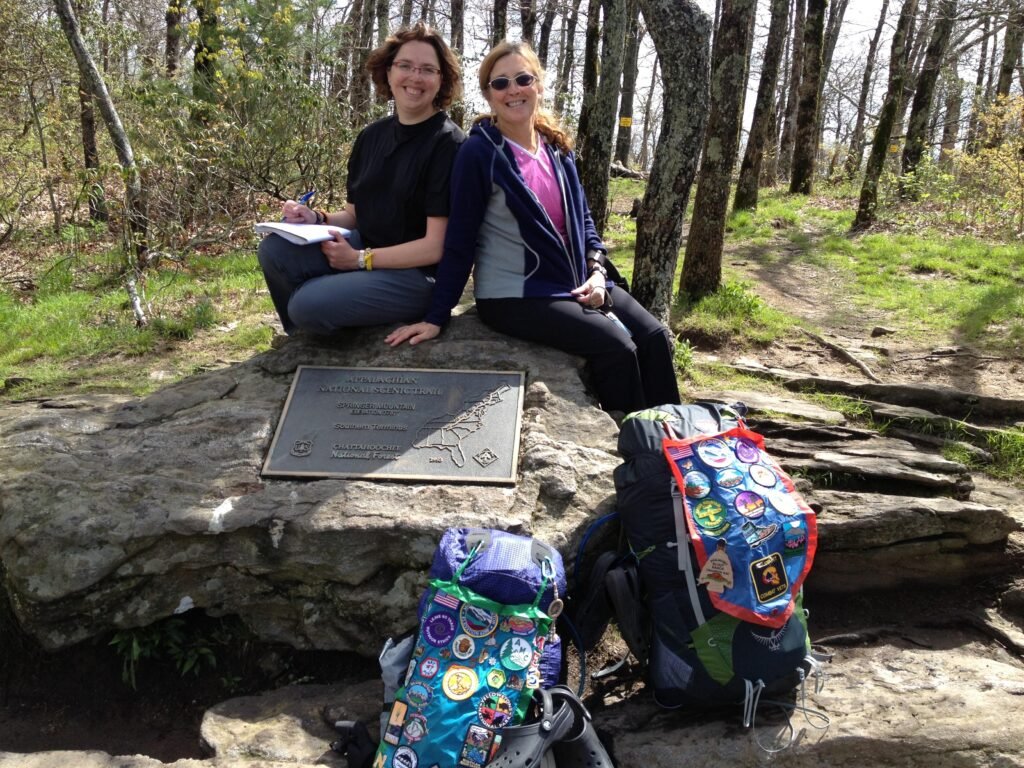
Your physical preparation matters just as much as your gear and budget. Start training at least three months before your hike with regular cardio and strength work focused on legs, core, and back. Hike with a weighted pack on weekends to get your body used to carrying 25-35 pounds for hours at a time. Build up your mileage gradually so you don’t injure yourself right before your trip, starting with shorter hikes and slowly increasing distance over several months.
Mental preparation is equally important because there will be hard days when you question why you’re doing this. Having a clear reason for hiking helps you push through those moments. Talk to experienced hikers about their low points, read trail journals to understand that difficult days are normal, and develop mental strategies like breaking big goals into smaller milestones. The trail will test you physically and mentally and preparation in both areas gives you the best chance of success and enjoyment.