
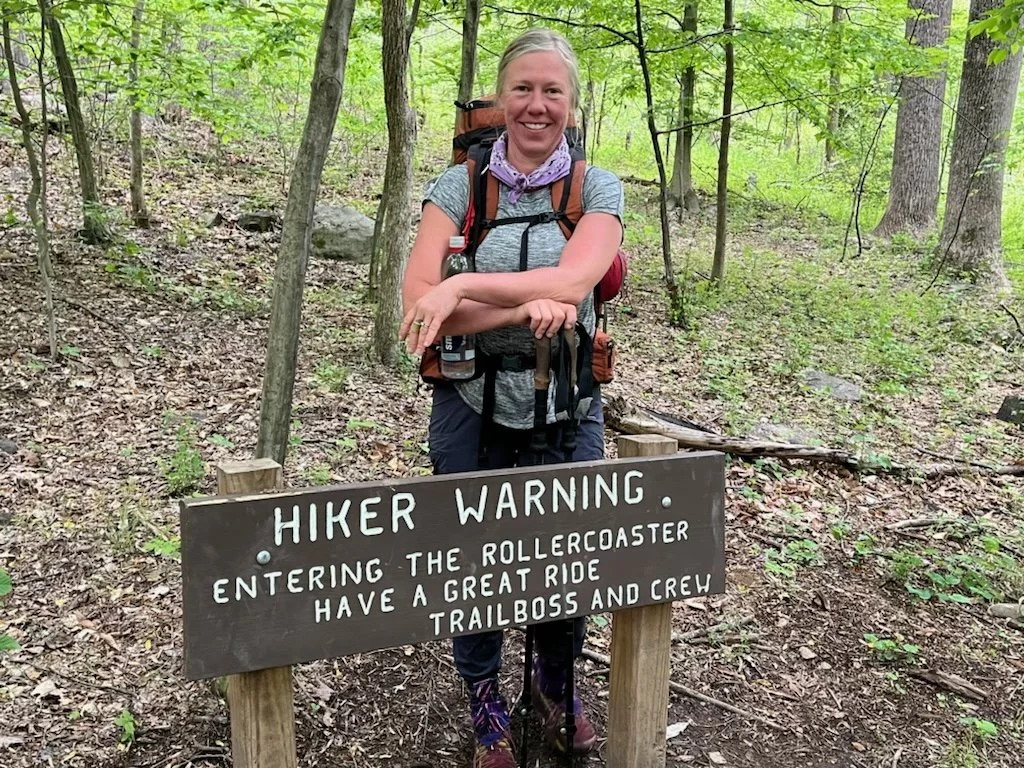
by: chelsea Derusha
Trail Tails Tuesday: Riley’s Thru-Hike and the Lesson in Letting Go
Riley Thompson had been planning his thru-hike for three years. He’d mapped every mile, researched every shelter, and created detailed spreadsheets for resupply points. His gear was meticulously chosen and tested. He had a plan for everything—except for the moment when all those plans would fall apart.
The Perfect Plan
Riley approached his AT thru-hike the way he approached everything in life: with careful planning and attention to detail. A project manager by trade, he spent hundreds of hours researching, budgeting down to the penny, and creating contingency plans for his contingency plans. His friends joked that his preparation binder was thicker than most college textbooks.
“I thought if I planned well enough, I could avoid all the common mistakes,” Riley admits. He scheduled his daily mileage targets, pre-shipped all his resupply boxes, and even planned which shelters he’d sleep at for the first month. The trail had other ideas.
When Plans Meet Reality
Everything went wrong in the first week. A freak spring storm dumped eight inches of snow on North Georgia, forcing Riley to hole up in a hostel for three days. When he finally got back on trail, he developed severe blisters that slowed his pace to half of what he’d planned.
“I was miserable,” Riley remembers. “Not because of the snow or the blisters, but because I was falling behind my schedule.” At Clingmans Dome, Riley met a southbound hiker named Phoenix who’d been on trail for four months. Phoenix had no schedule, no daily mileage goals, and no resupply boxes waiting anywhere. When Riley showed her his spreadsheet and explained how behind he was, she just laughed and asked him why he was hiking someone else’s trail instead of his own.
Learning to Hike His Own Hike
That conversation changed everything. Riley threw away his schedule. He kept his resupply information and general route, but he stopped trying to hit specific mileage targets or sleep at predetermined shelters. He started listening to his body, hiking when he felt strong, resting when he needed to, and letting each day unfold naturally.
Without the pressure of his schedule, Riley noticed things he’d been too stressed to see before. The wildflowers in the Shenandoah. The way morning mist settled in the valleys. The random conversations with other hikers he’d been too focused to have. His pace didn’t actually slow down, and his anxiety disappeared.
The Real Journey
Riley summited Katahdin on a crisp October morning, five and a half months after leaving Springer Mountain. He finished two weeks later than his original schedule, and he didn’t care at all. “The person who made that schedule didn’t understand what the trail was actually about,” he reflects.
When asked what he’d tell other planners preparing for their thru-hike, Riley’s advice is clear: “Plan your logistics. Know your resupply points, understand the terrain, prepare your gear. But once you’re on trail, be willing to throw that plan away.” He emphasizes that preparation should serve you, not control you.
Riley is already planning his next adventure: the Pacific Crest Trail. But this time, he’s leaving space for the unexpected. “I learned to hike my own hike,” he says. “And that’s a lesson I’m carrying with me everywhere now.”
Start Your Own Journey
Feeling inspired? Check out our Planning Your Hike page for everything you need to know about starting your first AT section hike.
Join the Conversation
Share your own trail story or ask questions in our community forums. Connect with hikers who’ve been where you are now.
More Hiker Stories
Read other Trail Tales Tuesday posts to discover how different people found their path on the Appalachian Trail.