By: chelsea derusha
Breaking in Your Boots
Starting your AT hike in brand new boots is asking for trouble, and it’s one of the most common mistakes new hikers make. Your feet are going to swell and blister during those first weeks no matter what, and stiff boots just make everything worse. Let’s talk about how to properly break in your footwear so you’re not limping off the trail before you’ve even made it out of Georgia.
The Two Month Rule
Break in your boots or trail runners for at least two months before you start your hike. This isn’t a suggestion, it’s a requirement if you want happy feet. Start with short walks around your neighborhood, maybe 30 minutes to an hour. Wear them to run errands, walk the dog, or just putter around the house. The goal is to get the materials to soften and conform to your feet gradually.
After the first week of casual wear, start taking them on actual walks. Nothing crazy yet, just a few miles on pavement or easy trails. Pay attention to how they feel. Are there any pressure points? Does anything rub? This is when you discover problems, not when you’re 50 miles into the trail with no easy way to get new boots.
Training Hikes Are Critical
Once your boots feel comfortable on short walks, it’s time to take them on training hikes with your weighted pack. This is where the real break-in happens. Your feet behave differently when you’re carrying 20-30 pounds on your back, and you need to know how your boots respond to that stress before you’re committed to them on the trail.
Start with 3-5 mile training hikes on weekends. Gradually increase the distance and difficulty. Take them on steep climbs and descents to simulate actual trail conditions. The Appalachian Trail isn’t a flat nature walk, and your boots need to prove they can handle constant elevation changes without destroying your feet. If possible, hike on rocky terrain similar to what you’ll encounter on the AT.
During these training hikes, wear the same socks you plan to use on the trail. Sock choice matters almost as much as boot choice, and different sock thicknesses can change how your boots fit. Many hikers swear by a liner sock under a thicker hiking sock to reduce friction and prevent blisters.
Watch for Warning Signs
Hot spots and pressure points during the break-in period are your boots telling you something. Don’t ignore them. A hot spot is the feeling of warmth or friction in a specific area before a blister forms. If you’re consistently getting hot spots in the same place after several weeks of breaking in your boots, that’s a problem that won’t magically fix itself on the trail.
Common problem areas include the heel (especially if your boots are too big and your heel is lifting), the ball of your foot (often from boots that are too narrow), and the tops of your toes (usually from boots that are too short or from lacing too tightly). If you’re experiencing significant discomfort in any of these areas after a few weeks of breaking them in, don’t hesitate to try different boots or switch to trail runners entirely.
Some people’s feet just don’t work with certain boot designs, and that’s okay. Better to figure that out now than three weeks into your thru-hike when you’re already dealing with other problems.
The Trail Runner Alternative
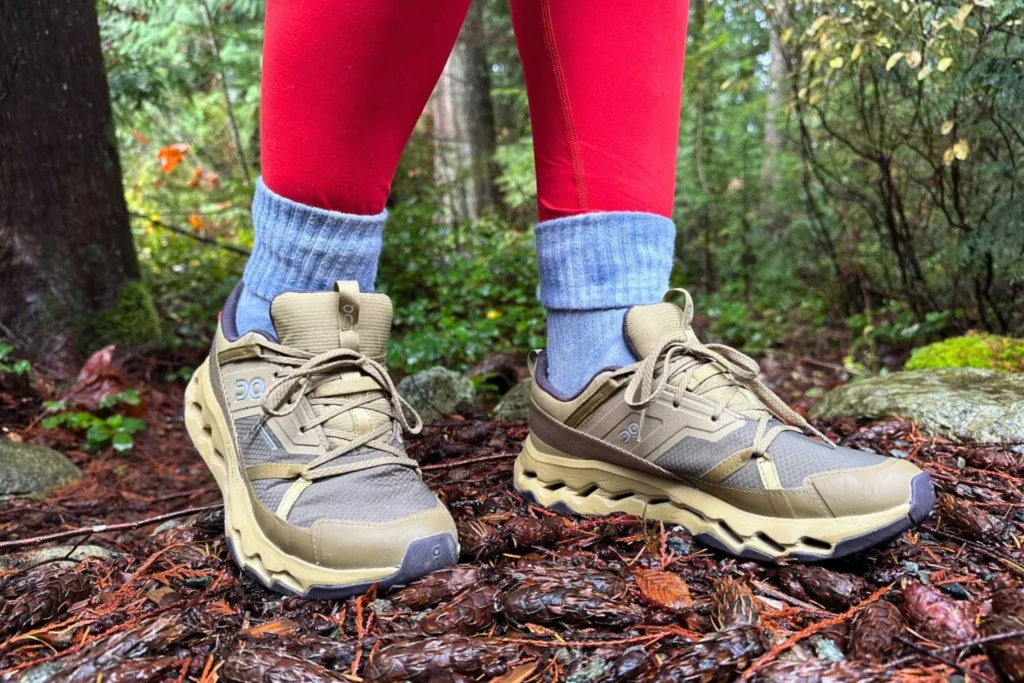
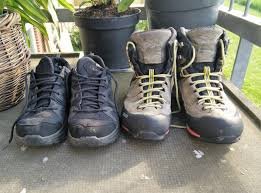
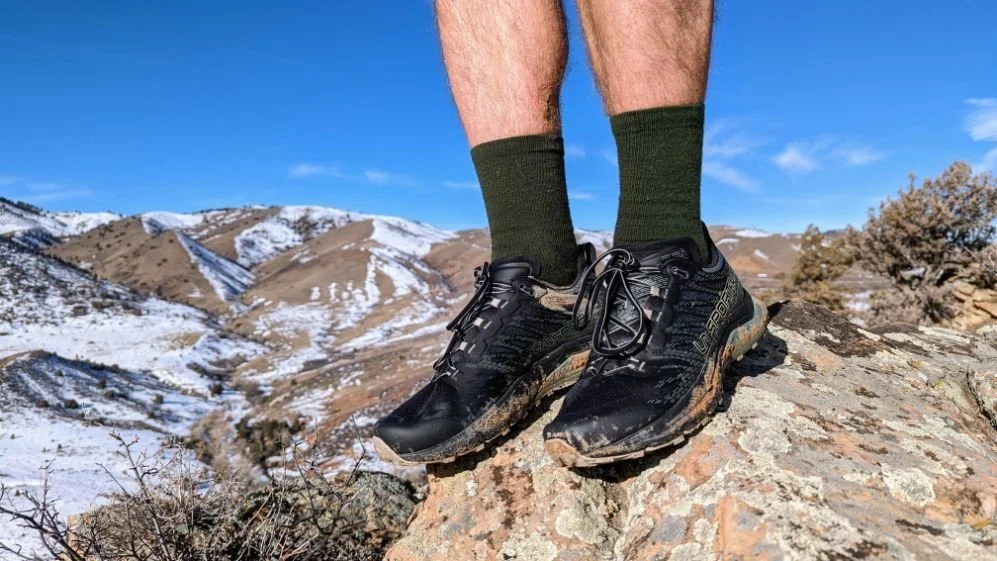
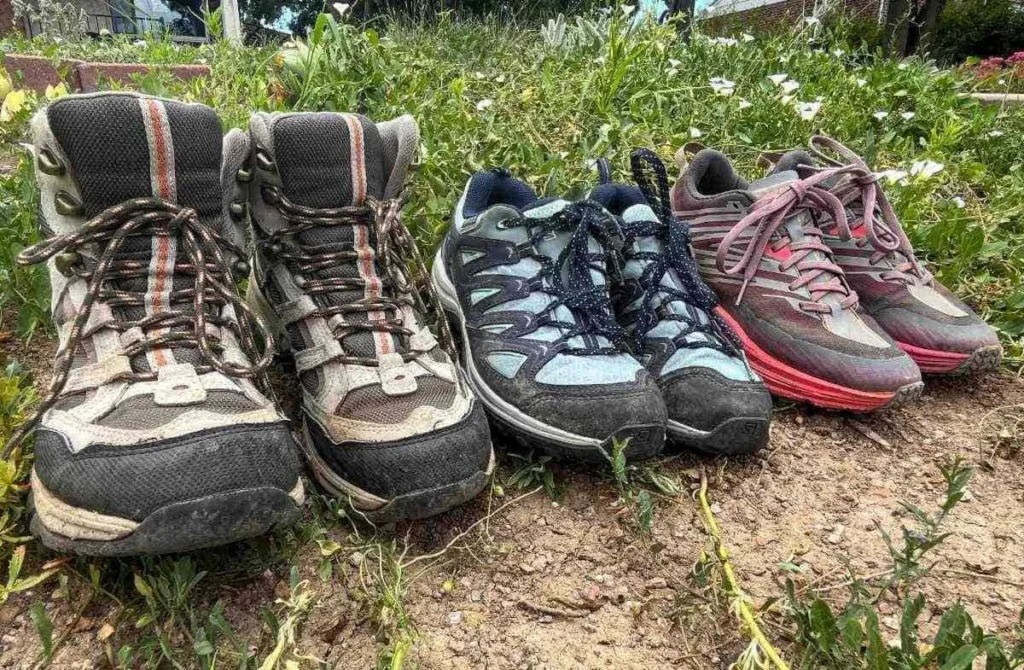
Here’s something a lot of new hikers don’t know: many experienced AT hikers don’t even wear boots anymore. Trail runners have become increasingly popular because they’re lighter, dry faster, and don’t require the same lengthy break-in period. If you’re struggling to find boots that work for your feet, or if the break-in process is a nightmare, trail runners might be your answer.
Trail runners won’t provide the same ankle support as boots, but most hikers find they don’t need that support once their legs are trail-strong. The lighter weight means less fatigue over long distances, and being able to cross streams without worrying about waterlogging heavy boots is a huge advantage. Plus, if trail runners wear out or cause problems, they’re cheaper and easier to replace than boots.
If you go the trail runner route, you still need to break them in, just not as extensively as boots. A few weeks of regular wear and some training hikes should be sufficient. The same rules apply: watch for hot spots, test them with a weighted pack, and make sure they’re truly comfortable before you commit to them for hundreds of miles.
Break-In Timeline
Week 1-2: Casual daily wear
Week 3-4: Short walks (2-3 miles)
Week 5-8: Training hikes with weighted pack
Test on terrain similar to the AT
Signs You Need New Boots
Consistent hot spots in the same location after 2+ weeks of wear, heel lifting during descents, or numbness in your toes are all red flags.
Trail Runner vs. Boot
Not sure which to choose? Check out our Gear and Equipment category for detailed comparisons and reviews from experienced AT hikers.