By: chelsea derusha
How to Plan Your Resupply Strategy for a Thru-Hike
A good resupply strategy can make or break your thru-hike. Running out of food in the middle of nowhere is miserable. Carrying too much food because you’re paranoid about running out is also miserable, just in a different way. Finding the sweet spot takes planning, flexibility, and understanding the options available along the trail.
Understanding Your Options
Most thru-hikers use a combination of three resupply methods: mail drops, grocery store stops, and restaurant meals in trail towns. Each has advantages and disadvantages, and the best strategy uses all three strategically rather than relying on just one approach.
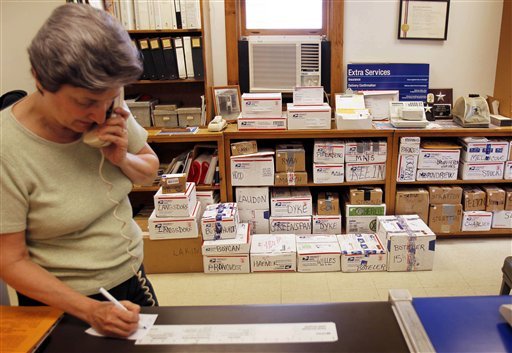
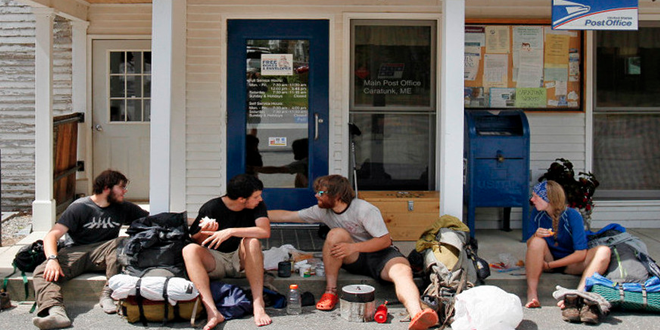
Mail drops involve packing boxes of food at home and shipping them to post offices or hostels along the trail. This gives you complete control over what you eat and can save money if you buy in bulk before your hike. The downside is the upfront time and cost of preparing and shipping boxes, plus the lack of flexibility if your hiking pace changes or your food preferences shift once you’re on trail.
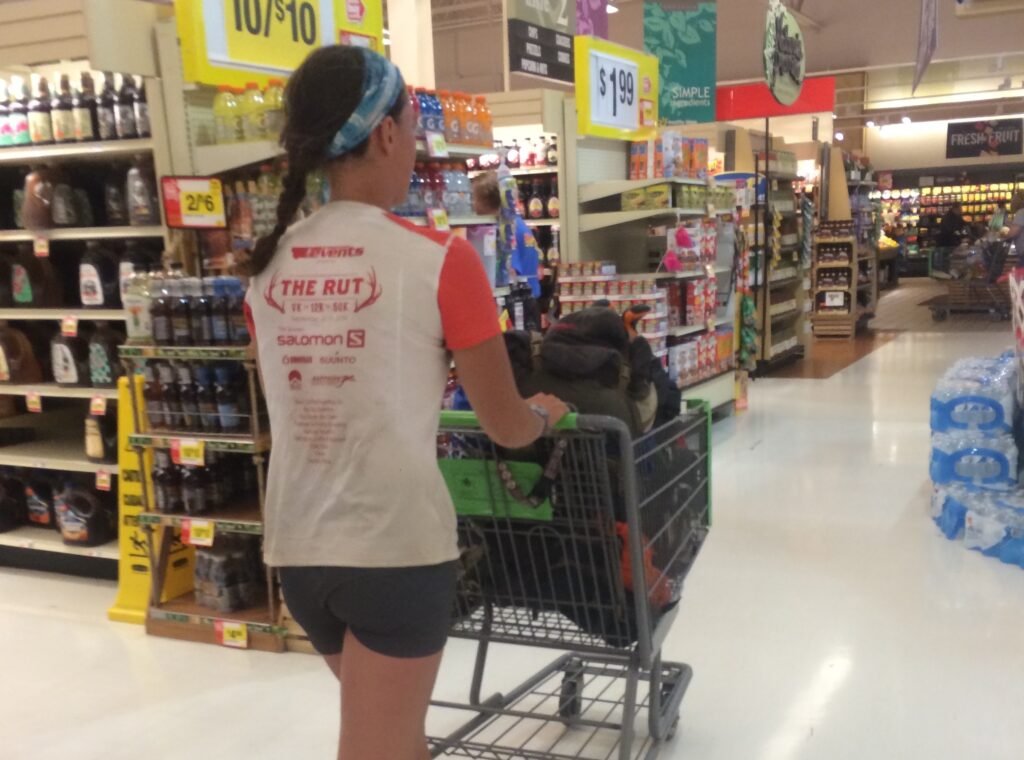
Buying food in town is the most flexible option. You can adjust quantities based on how much you’re actually eating, try new foods if you’re sick of your usual choices, and adapt to changing weather or terrain. The downsides are higher costs (small mountain town stores charge premium prices) and limited selection in remote areas where the only option might be a gas station with slim pickings.
The Hybrid Approach That Actually Works
Here’s what experienced thru-hikers have figured out: send mail drops to remote sections with limited resupply options, and buy food in towns that have good grocery stores. This gives you the best of both worlds.
Remote sections where mail drops make sense include the Great Smoky Mountains (limited options near the trail), southern Maine (long stretches between towns), and parts of Pennsylvania and New Jersey where towns are far from the trail. These boxes ensure you’ll have adequate nutrition when your options are otherwise limited to gas station junk food or expensive outfitter selections.
Towns with solid grocery options where you should plan to buy fresh food include Damascus, VA (great outfitters and grocery stores), Hot Springs, NC (hiker-friendly town with good resupply), Franklin, NC (large grocery store right in town), and Waynesboro, VA (easy access to full supermarkets). These stops let you grab fresh fruit, real food that isn’t freeze-dried, and whatever your body is craving after days of trail food.
Planning Your Boxes
If you’re going the mail drop route for certain sections, start planning at least two months before your hike. You’ll need to research post office locations and hours (some tiny mountain town post offices are only open a few hours a day), calculate how many days of food you need for each section, and decide whether to ship to post offices or hostels.
Post offices hold packages for free under General Delivery, but you need to pick them up during business hours and they’ll only hold packages for a limited time (usually 30 days). Hostels and outfitters often accept packages for a small fee and may have more flexible pickup hours, but confirm their policies before shipping.
When packing your boxes, think about calorie density and variety. You’ll be burning 4,000-6,000 calories per day on a thru-hike, so pack foods that deliver maximum calories for minimum weight. Nuts, nut butters, olive oil, chocolate, and dried fruits are hiker favorites. Don’t forget electrolyte powder, instant coffee or tea, and any specific foods you know you’ll crave.
Pack each box with 5-7 days of food depending on the section length. Include one or two “treat” items like fresh cookies or candy that won’t be available in a gas station. Some hikers include new socks, replacement gear, or toiletries in their resupply boxes to avoid carrying everything from the start.
Popular Supply Towns
• Damascus, VA
• Hot Springs, NC
• Franklin, NC
• Waynesboro, VA
• Hanover, NH
All offer full grocery stores within walking distance of the trail.
Mail Drop Essentials
Planning to send boxes? Research post office hours before you ship. Some small town POs are only open 2-3 hours daily.
Budget Breakdown
Typical thru-hike food costs: $1,500-2,500 total. Mail drop shipping runs $15-25 per box. Town resupply averages $60-100 per stop.