by: chelsea derusha
The Essential Rain Gear Debate: Jacket vs. Poncho
Staying dry on the Appalachian Trail is one of those challenges that seems simple until you’re actually out there dealing with it. The rain gear debate between jackets and ponchos has been going on for years in the hiking community, and there’s no clear winner because both options have serious advantages and frustrating drawbacks. Let’s break down what you need to know to make the right choice for your hike.
The Essential Rain Gear Debate: Jacket vs Poncho
Staying dry on the Appalachian Trail is one of those challenges that seems simple until you’re actually out there dealing with it. The rain gear debate between jackets and ponchos has been going on for years in the hiking community, and there’s no clear winner because both options have serious advantages and frustrating drawbacks. Let’s break down what you need to know to make the right choice for your hike.
The Case for Rain Jackets
Rain jackets give you better mobility and wind protection, especially on exposed ridges and in cold weather. When you’re scrambling over rocks or dealing with high winds on a ridge, a fitted rain jacket keeps you covered without flapping around or catching air like a sail. The close fit means less heat loss and better protection when temperatures drop.
Modern rain jackets have come a long way in terms of breathability. Fabrics like Gore-Tex and other waterproof-breathable membranes are designed to let moisture vapor escape while keeping rain out. Does it actually work perfectly? Not really. You’re still going to get clammy and sweaty inside a rain jacket during strenuous hiking, but it’s better than older rubberized rain gear that turned into a personal sauna.
The best rain jackets have pit zips (zippered vents under the arms) that let you dump heat when you’re working hard. This feature alone makes a huge difference in managing moisture from the inside. Combined with adjustable cuffs, a good hood, and a hem that covers your hips, a quality rain jacket provides reliable protection in a wide range of conditions.
Paired with rain pants, a jacket gives you full-body protection. Rain pants are particularly useful in cold conditions, during sustained heavy rain, or when you’re hiking through wet vegetation that would otherwise soak your legs. The jacket-and-pants combo is the standard setup that most hikers start with, and for good reason.
The Case for Ponchos
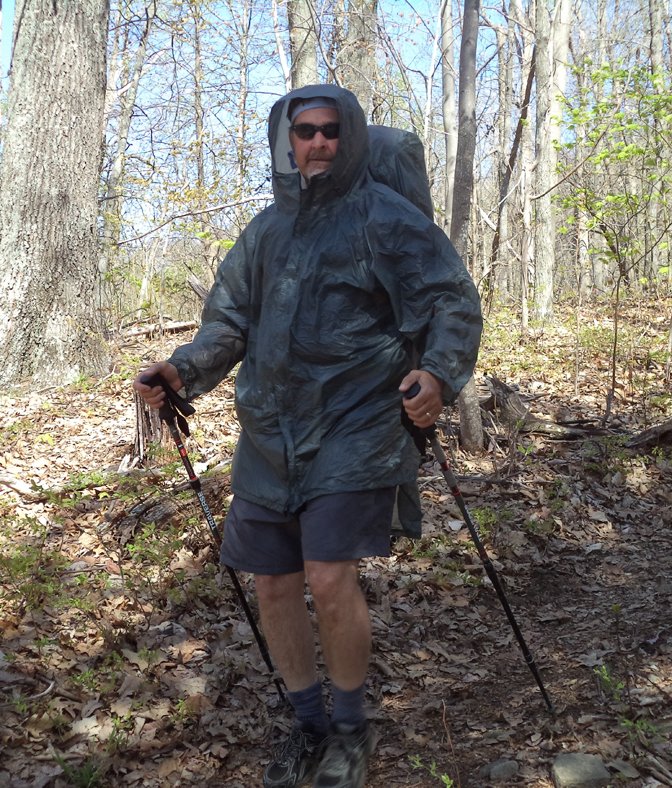
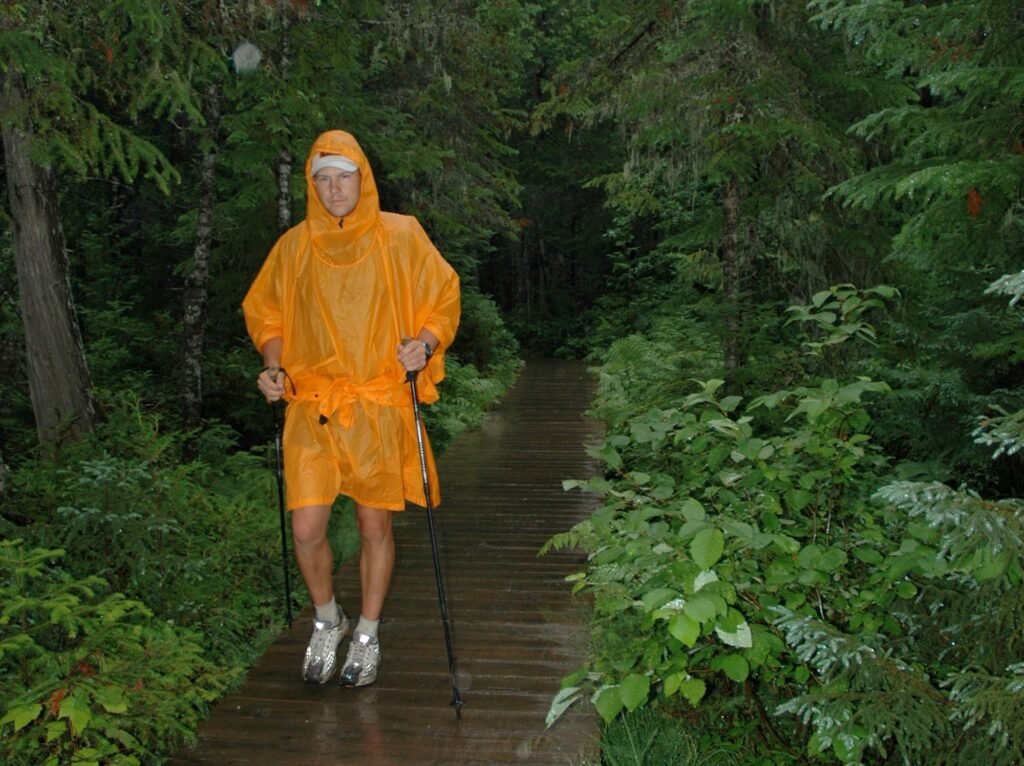
Ponchos breathe better than any jacket, and that’s a game-changer in humid conditions. Instead of trapping your body heat and sweat inside a waterproof shell, a poncho drapes over you and your pack, creating an air gap that allows ventilation from below. On a hot, humid summer day in Virginia or the mid-Atlantic states, this difference is massive.
A good hiking poncho can also double as a pack cover, eliminating the need to carry a separate pack rain cover. Some designs even have extra space built in to accommodate your pack underneath the poncho, keeping everything dry in one piece of gear. This dual function saves weight and pack space.
In a pinch, ponchos can work as emergency shelter. You can rig them as a tarp over your sleeping area, use them as a ground cloth, or create a simple rain fly for cooking under. This versatility makes them attractive for ultralight hikers who are looking to maximize the utility of every item they carry.
The downside of ponchos is mobility. They catch wind like crazy on exposed ridges, they can snag on branches in dense vegetation, and they don’t provide the same precise weather protection as a fitted jacket. Your arms and sides get more exposure, and in driving rain with wind, you’ll get wet. Ponchos also require a bit more skill to use effectively, learning how to position them and move without letting rain in.
What Actually Happens on Trail
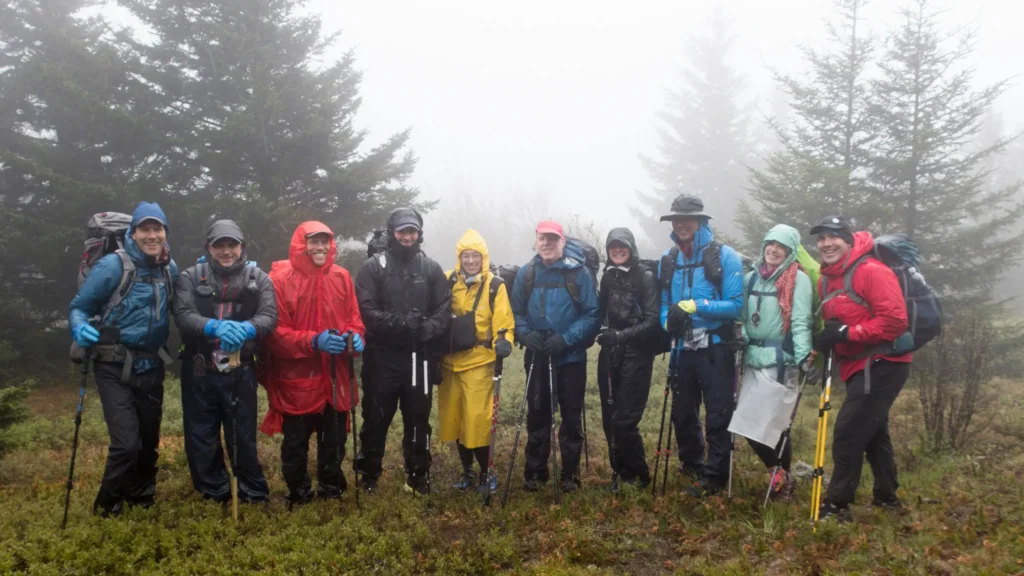
Here’s the reality that most thru-hikers discover: you’re going to get wet regardless of which rain gear you choose. Rain jackets keep the rain out but trap sweat in. Ponchos breathe well but let rain sneak in around the edges. Both options are compromises, and the “best” choice depends on when and where you’re hiking.
Many experienced thru-hikers start with a rain jacket and lightweight rain pants for versatility. This setup handles early spring conditions in Georgia and North Carolina where temperatures can still be cold and rain can turn to sleet. A jacket provides better warmth retention and wind protection during this phase of the hike.
Then something happens around Virginia or Pennsylvania. The weather gets hot and humid. Wearing a rain jacket becomes miserable because you’re generating so much heat and sweat that you’re soaked from the inside even though you’re “staying dry” from the rain. This is when a lot of hikers switch to ponchos or start hiking in just their rain jacket without rain pants, accepting that their legs will get wet but at least they won’t overheat.
Making Your Choice
Think about when you’ll be hiking and what conditions you’re most likely to face. Spring thru-hikers (March-April starts) should lean toward a rain jacket and pants combo because they’ll face colder, more variable weather including potential snow and sleet. The mobility and wind protection matter more when temperatures are low.
Summer section hikers or those hiking in the mid-Atlantic and southern sections during warm months should seriously consider a poncho. The breathability advantage outweighs the mobility drawbacks when you’re dealing with 80-degree temperatures and 90% humidity. Getting a little wet around the edges is better than cooking inside a waterproof shell.
Fall hikers are in a similar position to spring hikers. Cooler temperatures mean a rain jacket’s warmth retention is valuable, and the risk of hypothermia from getting wet and cold makes full coverage more important than maximum breathability.
What to Look For
Rain Jackets: Pit zips, adjustable hood, taped seams
Ponchos: Reinforced edges, pack coverage, trekking pole compatibility
Weather Considerations
Spring/Fall hikers: Rain jacket + pants
Summer hikers: Poncho for breathability
Cold/windy conditions: Jacket wins
More Gear Advice
Check out our Gear & Equipment category for reviews on specific rain jacket and poncho models that AT hikers recommend.