
By: chelsea derusha
Sleeping Bag vs Quilt: What’s Right for You?
The sleeping bag versus quilt debate divides the AT hiking community. Traditional sleeping bags have been around forever, but quilts are gaining popularity for good reasons. Here’s what you need to know to make the right choice for your hike.
Understanding the Difference
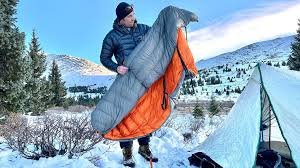
A sleeping bag is a zippered cocoon that wraps completely around you. A quilt is essentially a sleeping bag without the back, designed to drape over you while you sleep on your sleeping pad. The theory behind quilts is simple: the insulation underneath you gets compressed by your body weight and doesn’t keep you warm anyway, so why carry that extra weight and bulk?
Quilts are lighter and pack smaller than equivalent sleeping bags. A 20-degree quilt might weigh 18 ounces while a 20-degree sleeping bag weighs 28 ounces. Over 2,000 miles, that difference matters. Quilts also give you more flexibility in temperature regulation since you can use them like a blanket on warm nights.
The Case for Sleeping Bags
Sleeping bags are familiar, and there’s comfort in that familiarity when you’re already dealing with so many new experiences on trail. They’re easier to use, especially if you’re a restless sleeper who moves around a lot at night. The zipper keeps everything in place regardless of how much you toss and turn.
Sleeping bags also work better in really cold conditions. When temperatures drop below 20 degrees, having that insulation underneath you (even if it’s compressed) provides some psychological comfort and a bit of additional warmth. Side sleepers often prefer sleeping bags because they don’t have to worry about drafts sneaking in.
The Case for Quilts
Weight savings is the biggest argument for quilts. If you’re trying to go ultralight, a quilt gets you there faster than almost any other single gear swap. The packed size is also significantly smaller, freeing up space in your pack for other gear or food.
Quilts are more versatile for temperature regulation. Too hot? Stick a leg out or drape it loosely. Too cold? Cinch it down tight. You can’t do that with a mummy-style sleeping bag without unzipping the whole thing. Many hikers also find quilts less claustrophobic than sleeping bags.
The learning curve is real though. Quilts require proper technique to avoid drafts, especially around your neck and shoulders. Attachment systems that connect the quilt to your sleeping pad take some getting used to. Budget at least a few nights testing your quilt at home before committing to it for a thru-hike.
Making Your Choice
If you’re a cold sleeper, move around a lot at night, or hiking in shoulder seasons with cold weather, a sleeping bag might be your better bet. If you’re chasing every ounce of weight savings and don’t mind a learning curve, a quilt could save your shoulders and knees over 2,000 miles.
Temperature Ratings
– Spring NOBO start: 20°F rating
– Summer section hike: 30-40°F rating
– Fall hiking: 20°F rating
– Winter/shoulder season: 10°F or lower