
By: chelsea derusha
Water Filtration Systems: Which One is Right for You?
Clean water is non-negotiable on the Appalachian Trail. You’ll drink 3-4 liters per day, sometimes more in hot weather or on tough climbs. Choosing the right water filtration system affects your daily routine, your pack weight, and your health. Here’s how to pick the right one.
Squeeze Filters: The AT Standard
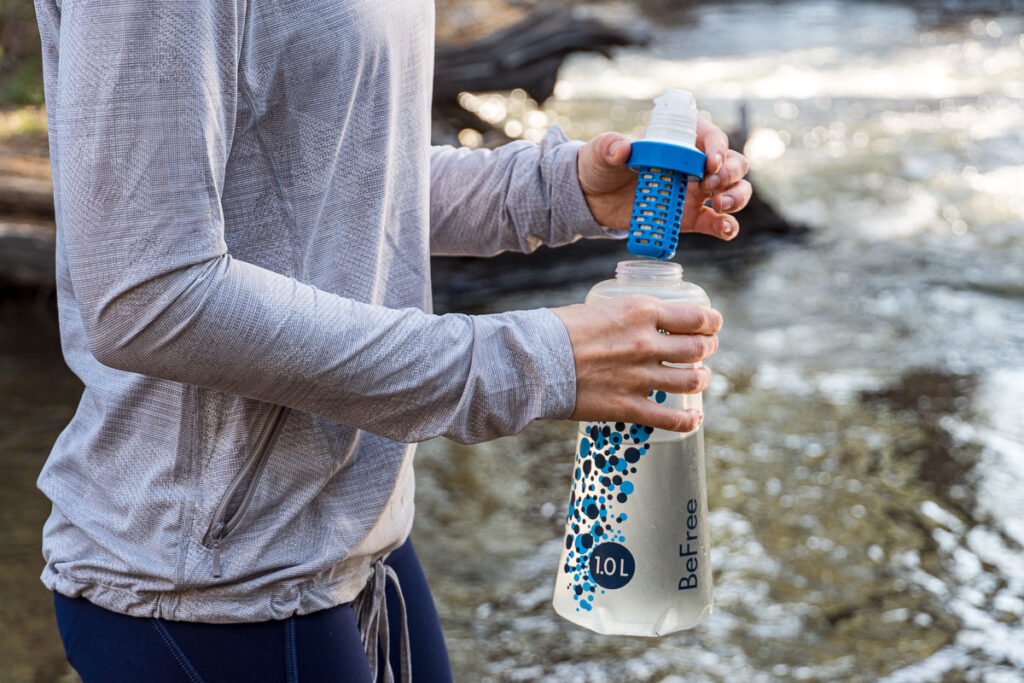
Squeeze filters like the Sawyer Squeeze are the most popular choice among AT thru-hikers for good reason. They’re lightweight (3 ounces), affordable (around $40), and simple to use. Fill a collapsible water bottle or bladder with dirty water, screw on the filter, and squeeze clean water into your drinking container.
The main advantage is versatility. You can squeeze directly into your mouth for quick hydration, fill bottles for camp, or even attach the filter inline to a hydration bladder. The Sawyer filters up to 100,000 gallons before needing replacement, which is more than you’ll use in multiple thru-hikes.
The downsides are minor but worth noting. Squeezing gets tiring when you’re filtering large amounts of water for cooking and drinking at camp. The filter can freeze in cold weather, which ruins it permanently. And if you don’t backflush it regularly (forcing clean water backward through the filter), flow rate decreases significantly.
Gravity Filters: Camp Convenience
Gravity filters let you hang a dirty water bag from a tree and let gravity do the work while you set up camp or cook dinner. This is incredibly convenient when you need to filter several liters at once. Models like the Platypus GravityWorks can filter 4 liters in just a few minutes with zero effort.
The trade-off is weight and bulk. Gravity systems typically weigh 10-12 ounces and take up more pack space than squeeze filters. They’re also more expensive, usually $100-$140. But for hikers who hate the repetitive squeezing motion or who camp with partners and need to filter large volumes regularly, the convenience is worth it.
Chemical Treatment: The Backup Plan
Chemical treatments like Aquamira drops are lightweight (2 ounces) and cheap ($15), but they require waiting 15-30 minutes for the chemicals to kill pathogens. This makes them impractical as your primary system when you’re drinking constantly throughout the day.
Many hikers carry chemical treatment as a backup in case their primary filter breaks or freezes. It’s cheap insurance that takes almost no space in your pack. The taste can be slightly off-putting, but it beats giardia.
Making Your Choice
Most AT thru-hikers use squeeze filters as their primary system. They’re light, affordable, and handle the constant on-trail hydration needs perfectly. Consider adding chemical treatment as a backup for emergency situations. If you value convenience over weight and don’t mind spending more, a gravity system makes camp chores easier.
Filter Maintenance
– Backflush squeeze filters every 20 liters
– Never let filters freeze (ruins them permanently)
– Carry backup chemical treatment
– Test your system before the trail
– Replace cartridges per manufacturer guidelines