
Blog Categories
Tags
Beginner Tips Gear Reviews Preparation Resupply Safety Section Hiking Shelters Site News Thru-Hiking Trail Conditions Trail Culture
| M | T | W | T | F | S | S |
|---|---|---|---|---|---|---|
| 1 | 2 | |||||
| 3 | 4 | 5 | 6 | 7 | 8 | 9 |
| 10 | 11 | 12 | 13 | 14 | 15 | 16 |
| 17 | 18 | 19 | 20 | 21 | 22 | 23 |
| 24 | 25 | 26 | 27 | 28 | 29 | 30 |
| 31 | ||||||
Trail Conditions Advisory: White Mountains Early Season Snow
By: Chelsea derushaTrail Conditions Advisory: White Mountains Early Season Snow Hikers approaching the White Mountains in New Hampshire should be prepared for winter conditions above treeline through early June. The Presidential Range still has significant snow coverage, and several hikers have reported icy conditions on exposed ridge walks requiring microspikes and extreme caution. Afternoon thunderstorms have been intense and dangerous for hikers caught above treeline. Weather can change in minutes from clear skies to zero visibility with high winds and lightning. Do not attempt the Presidentials without proper cold weather gear including insulated layers, rain protection, and traction devices. Consider…
Water Source Update: Pennsylvania Drought Conditions
By: Chelsea derushaWater Source Update: Pennsylvania Drought Conditions Pennsylvania is experiencing drought conditions that are affecting water availability along the trail. Several reliable springs listed in older guidebooks are currently dry or reduced to a trickle. Notable dry sources include the spring near Allentown Shelter, the reliable piped spring at Kirkridge Shelter, and multiple sources in the Lehigh Gap area. Hikers should carry extra water capacity and plan longer water carries between confirmed sources. Towns remain the most reliable resupply points for water. Check recent trail reports on FarOut or Guthook before each section, and ask other hikers about current…
Bear Activity Warning: Shenandoah National Park
By: Chelsea derushaBear Activity Warning: Shenandoah National Park Rangers in Shenandoah National Park are reporting unusually high bear activity this spring, particularly around popular shelters like Bearfence Mountain Hut and Blackrock Hut. Multiple food hang failures have been reported, and one bear has become habituated to human food after several hikers failed to properly secure their supplies. All hikers must use the bear poles at shelters and practice proper food storage techniques. Do not hang food from trees as bears in this section have learned to defeat most hanging systems. Rangers are actively patrolling and will cite hikers for improper…
Trail Closure Alert: Roan Highlands Temporarily Closed
By: Chelsea derushaTrail Closure Alert: Roan Highlands Temporarily Closed The Roan Highlands section between Carvers Gap and US 19E is temporarily closed due to severe storm damage and trail washouts from recent heavy rainfall. The closure affects approximately 13 miles of trail including the popular grassy balds. The Appalachian Trail Conservancy estimates the trail will reopen in late May once repairs are completed and conditions are safe. Northbound hikers should plan an alternate route via TN-143 and US 19E, adding about 8 road miles to your journey. Check the ATC website for the most current reopening estimates before you reach…
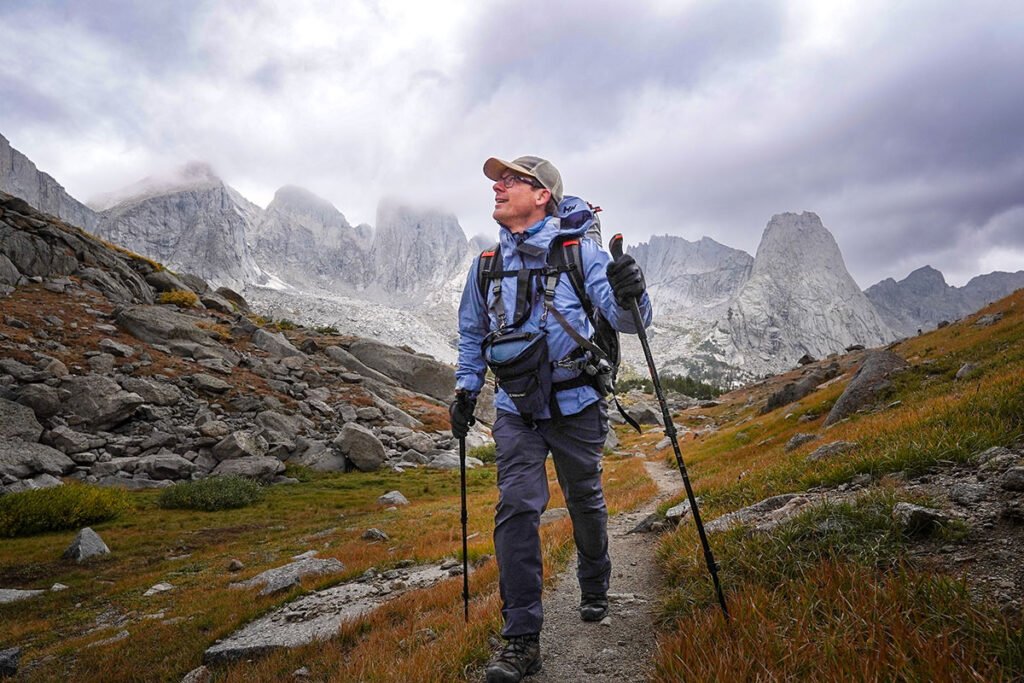
Trekking Poles: Worth the Investment?
By: chelsea derushaTrekking Poles: Worth the Investment? Trekking poles aren’t required gear for the Appalachian Trail, but talk to any thru-hiker and most will tell you they’re essential. They save your knees, improve your balance, and can even set up your shelter. Here’s what you need to know before investing in a pair.Why Use Trekking Poles?The main benefit is knee protection. Hiking poles transfer some of the impact force from your knees to your arms and shoulders, especially on descents. Over 2,000 miles of constant elevation changes, this impact reduction can be the difference between finishing and going home with…
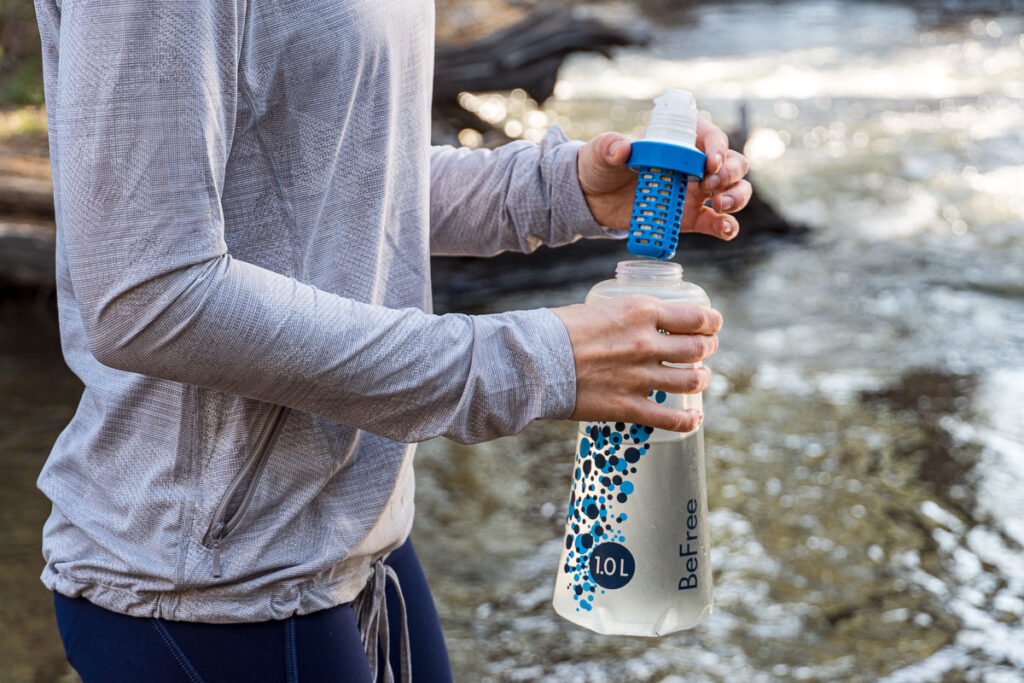
Water Filtration Systems: Which One is Right for You?
By: chelsea derushaWater Filtration Systems: Which One is Right for You? Clean water is non-negotiable on the Appalachian Trail. You’ll drink 3-4 liters per day, sometimes more in hot weather or on tough climbs. Choosing the right water filtration system affects your daily routine, your pack weight, and your health. Here’s how to pick the right one.Squeeze Filters: The AT StandardSqueeze filters like the Sawyer Squeeze are the most popular choice among AT thru-hikers for good reason. They’re lightweight (3 ounces), affordable (around $40), and simple to use. Fill a collapsible water bottle or bladder with dirty water, screw on…
Sleeping Bag vs Quilt: What’s Right for You?
By: chelsea derushaSleeping Bag vs Quilt: What’s Right for You? The sleeping bag versus quilt debate divides the AT hiking community. Traditional sleeping bags have been around forever, but quilts are gaining popularity for good reasons. Here’s what you need to know to make the right choice for your hike.Understanding the DifferenceA sleeping bag is a zippered cocoon that wraps completely around you. A quilt is essentially a sleeping bag without the back, designed to drape over you while you sleep on your sleeping pad. The theory behind quilts is simple: the insulation underneath you gets compressed by your body…

Choosing the Right Backpack for your AT Hike
By: chelsea derushaChoosing the Right Backpack for your AT Hike Your backpack is the single most important piece of gear you’ll carry on the Appalachian Trail. Get it wrong, and every mile will be miserable. Get it right, and you’ll barely notice it’s there. Here’s how to choose a pack that actually works for your body and your hiking style.Picking the Right CapacityMost thru-hikers need a pack in the 50-65 liter range. Bigger packs just tempt you to fill them with stuff you don’t need, adding unnecessary weight. If you’re finding that a 50-liter pack feels too small, the problem…